How to Choose the Right Private Tour in Barcelona
Choosing a private tour in Barcelona starts with a simple question: what do you want the day to feel like? A private outing can be calm and spacious, focused on architecture, built around food, or designed to cover the city's major landmarks with less rushing. The right fit depends less on the number of stops and more on how well the route, pace, and style match the people taking part.
Barcelona rewards both planning and flexibility. Narrow lanes, long lunches, timed entries, heat, and busy public spaces can shape the day more than a neat itinerary suggests. A good choice leaves room for the city to breathe. It also makes clear what is included, what is not, and where the group can pause without losing the thread of the visit.
Start with the purpose of the day
Before comparing options, decide what the tour needs to achieve. A first visit may call for a broad route through the Gothic Quarter, a look at Sagrada Familia, and time around Park Güell. A return visit might focus on a single district, local food, or a slower study of Modernista details. Families, couples, and small groups often need different rhythms, even when they visit the same places.
Write down the must-see places and separate them from the nice-to-have ones. This keeps the route from becoming too packed. Barcelona's appeal often lies in the spaces between sights: a quiet courtyard, a market counter, a side street with a good view. If every minute is assigned, those moments disappear.
It also helps to decide whether the day should be educational, relaxed, photographic, or practical. A route with detailed history works well for curious visitors who enjoy context. A lighter route suits people who want an easy introduction and more time to wander. Neither approach is better by default. The right one is the one that matches the group's energy.
Set the pace before the route
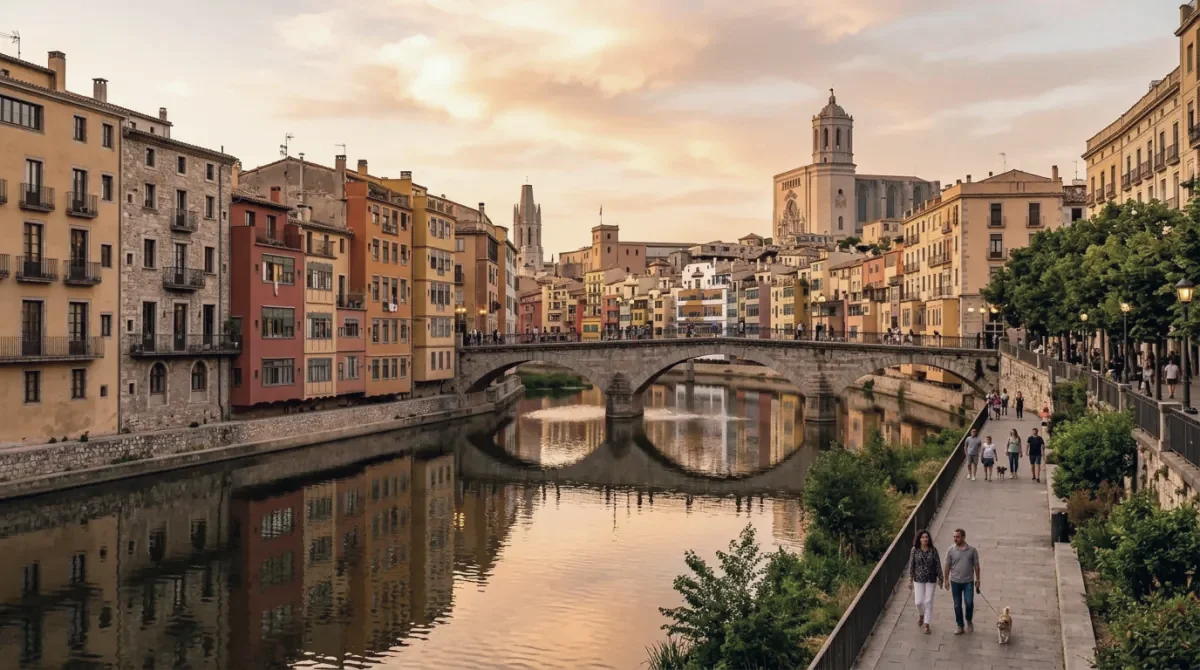
Pace is one of the most overlooked parts of a private tour in Barcelona. Many visitors assume that more stops mean better value, yet a crowded itinerary can feel tiring, especially on warm days or hillside routes. Montjuïc, for example, involves slopes and large open areas. A route there needs sensible transitions and places to rest.
Think about walking distance, stairways, and transport between areas. A day that moves from La Boqueria Market to the Gothic Quarter may be easy on foot, while a route that jumps between distant neighbourhoods needs careful timing. Ask how long each segment lasts, not just which places appear on the plan.
Build in breaks that make sense. A coffee stop after a busy market, a shaded pause after a cathedral visit, or a longer lunch can improve the day rather than interrupt it. Watch for plans that promise complete coverage but leave no space for queuing, photos, or simply standing still while taking in a building.
Read the route with a local eye
A well-written route should name the main places and explain how they connect. If a plan includes Sagrada Familia and Casa Batlló, it should say whether those are viewed from outside or entered with prearranged admission. That difference changes the shape of the day. It can also affect how much time remains for other stops.
Be careful with loose wording such as city highlights. That phrase can cover almost anything. A clearer plan might mention a walk through the Gothic Quarter, time near Barcelona Cathedral, a look at Museu Picasso from the outside, or a stop at La Boqueria Market. Specific details make it easier to judge whether the day suits your interests.
Order matters too. Some places are calmer early, while markets have their own rhythm. A route that follows a logical line across the city reduces backtracking and wasted time. When comparing choices, trace the day on a map in your mind. If it keeps crossing the same district, ask whether the order can be improved.
Check what the arrangement actually includes
Private does not automatically mean all costs are covered. Read the details before assuming that entry tickets, transport, meals, or hotel collection are part of the arrangement. Clear information at this stage prevents awkward gaps later. It also helps compare like with like, since two plans may look similar while covering very different things.
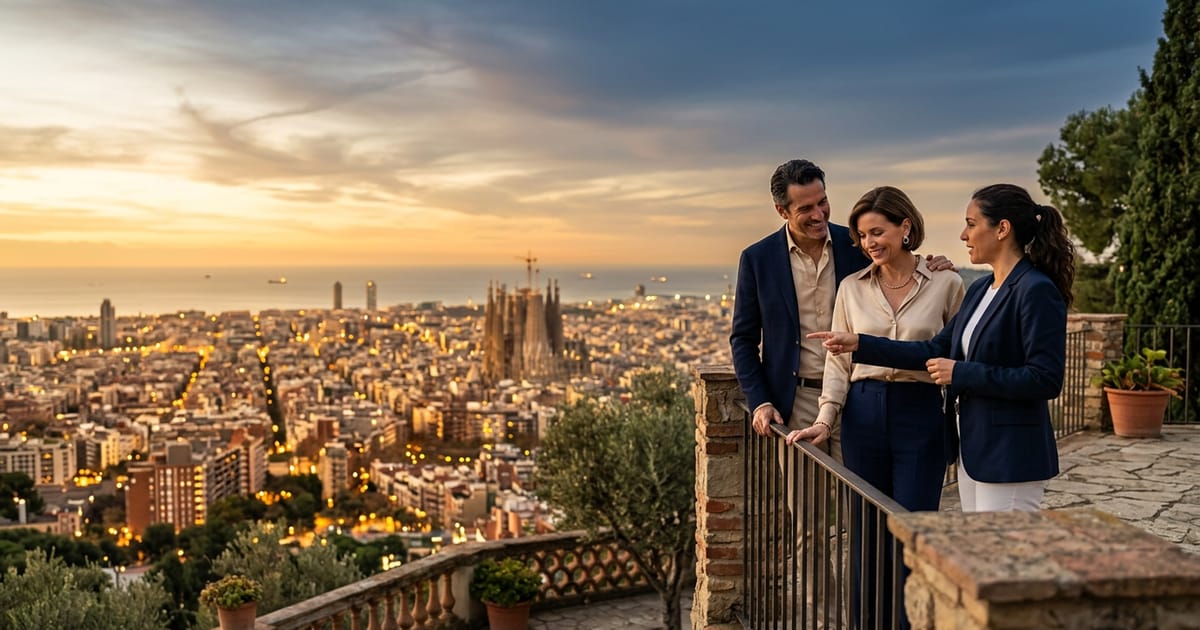
Pay attention to group size, meeting point, duration, language, and any stated limits on changes. These details affect how the day runs. A plan built for a small group may feel cramped for a larger one. A short route may be perfect for an afternoon but disappointing if the expectation was a full day.
When browsing options, keep the name Private Tour in Barcelona official site in mind only as a way to identify one source among others, not as a reason to skip the details. Compare the substance of the route, the clarity of the schedule, and the way the day is described. A polished name means little if the practical information is vague.
Ask focused questions before committing
Good questions reveal how a tour is planned. Instead of asking whether a place is included, ask how much time is spent there. Instead of asking whether the route is flexible, ask which parts can be changed on the day and which parts are fixed. The answers should be direct enough to help you picture the visit.
Useful points to clarify include:
- Whether entry to major sites is included or only an exterior view.
- How much walking is involved, including hills, stairs, and long stretches without shade.
- Where the tour starts and ends, and whether transport between districts is part of the plan.
- How the pace adapts if the group wants more time at a favourite stop.
- What happens if heavy rain, closures, or strikes affect part of the route.
The response should feel practical rather than rehearsed. Clear answers show that the day has been thought through. Evasive answers often signal that the route depends on conditions that have not been explained.
Match the style to the people taking part
A private tour works best when it suits the group, not just the itinerary. Children may need shorter walking blocks and more visual stops. Older travellers may prefer flatter routes and earlier starts. People interested in architecture may want time to look upward and discuss details, while food-focused visitors may want space to browse stalls and order slowly.
Be honest about preferences before booking. If the group dislikes crowds, a midday route through busy areas may be less enjoyable. If photography matters, the plan should allow time at viewpoints rather than treating every pause as a quick snapshot. If the aim is a gentle introduction, avoid a day built around dense historical detail.
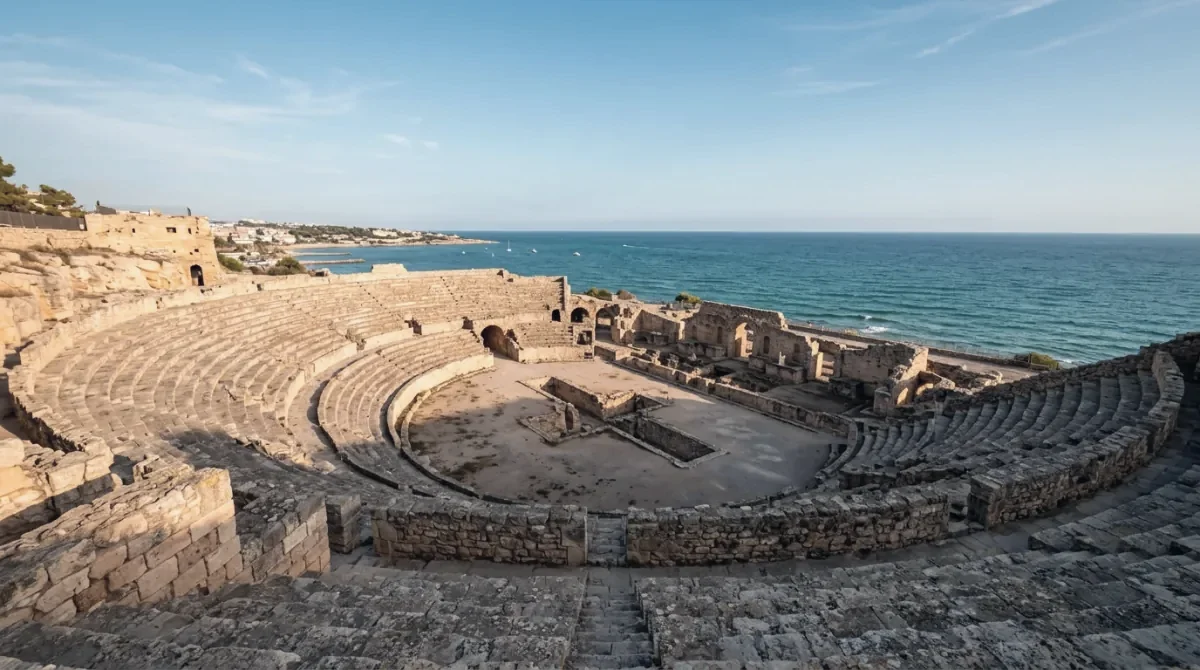
Private Tour in Barcelona official site may appear while you are comparing names, but the decision should still rest on fit. Look for a route that respects the group's pace, interests, and comfort. A well-matched day often feels smoother than a longer day packed with famous names.
Look for clarity, balance, and breathing room
The final choice usually comes down to balance. A strong plan gives the group a clear path through the city without treating every landmark as a box to tick. It names the main stops, explains how time is used, and leaves space for the small details that make Barcelona memorable.
Compare the options side by side using the same standard: purpose, route, pace, inclusions, and flexibility. If one plan is vague on timing, ask before choosing it. If another looks slower but covers the places that matter most, it may be the better fit. The aim is not the longest day or the fullest list. It is a visit that feels coherent from the first stop to the last.